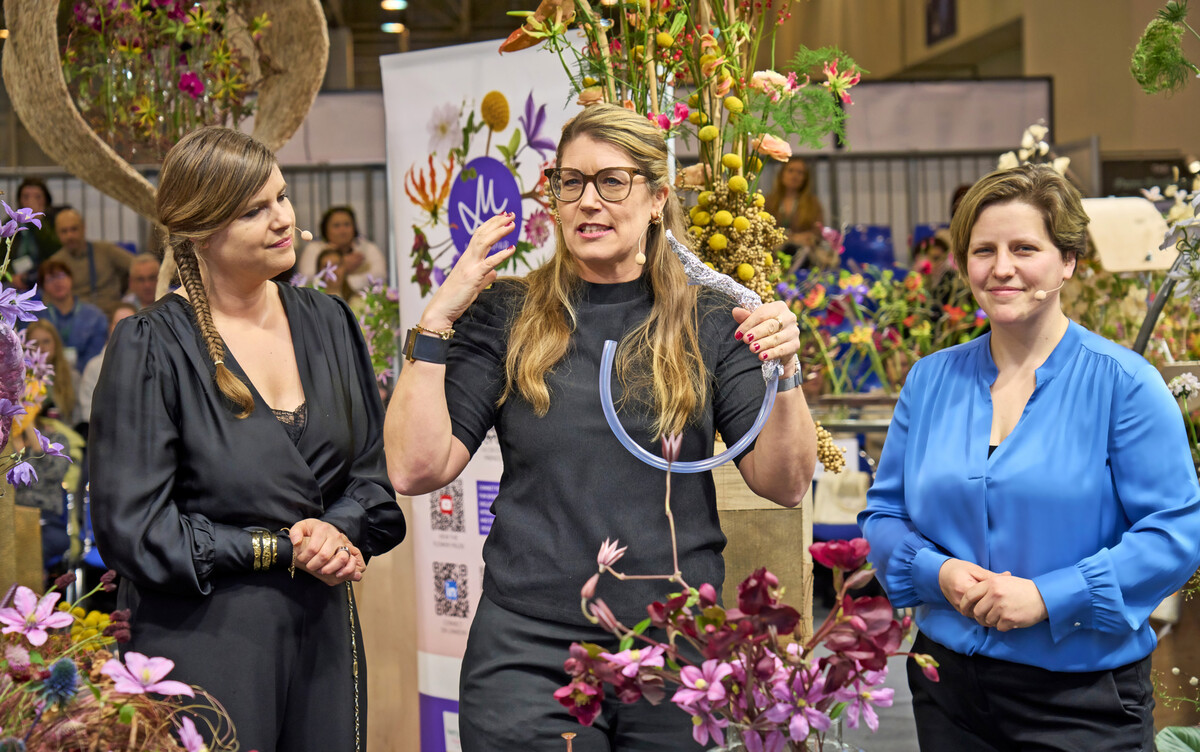
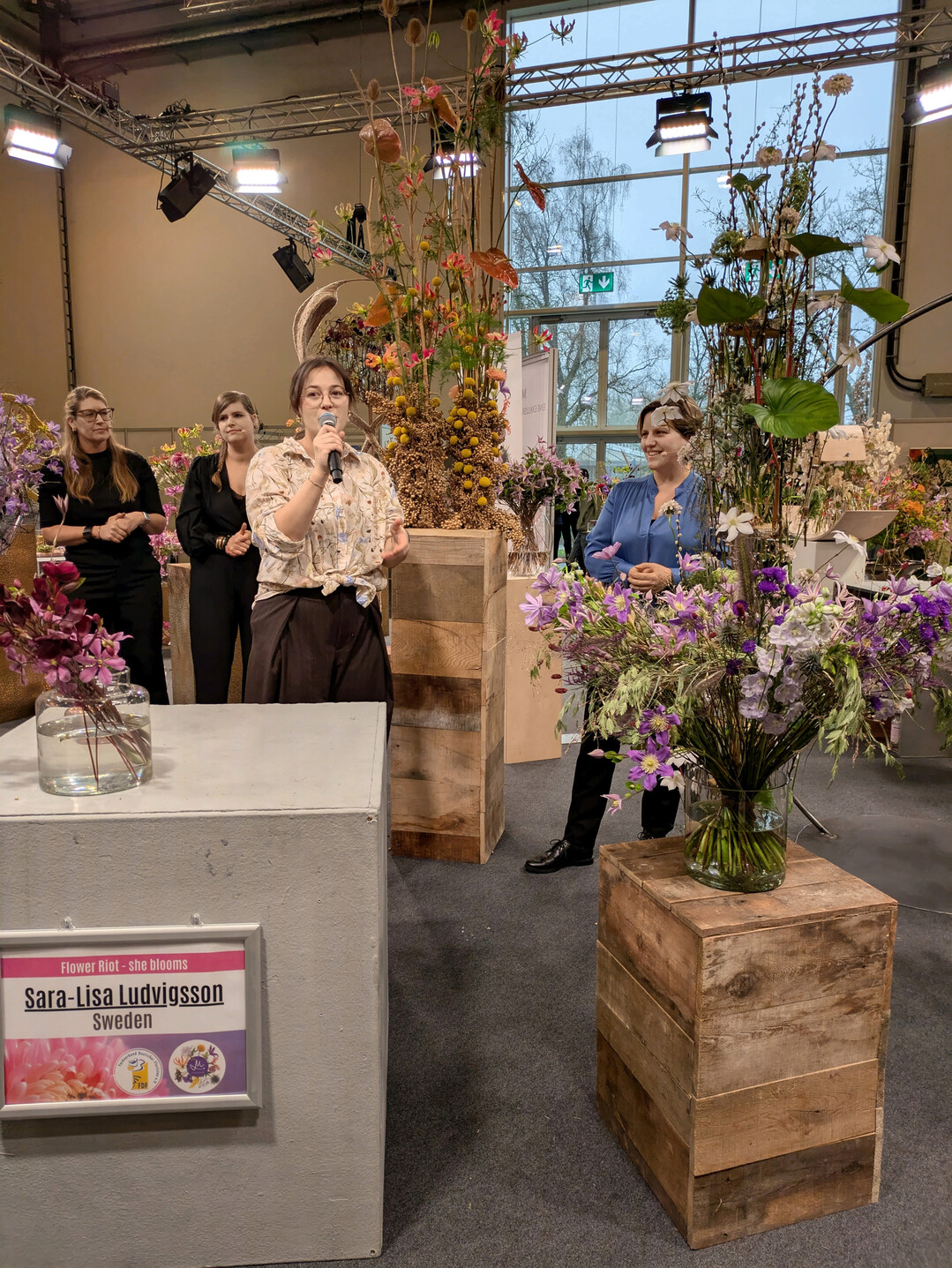
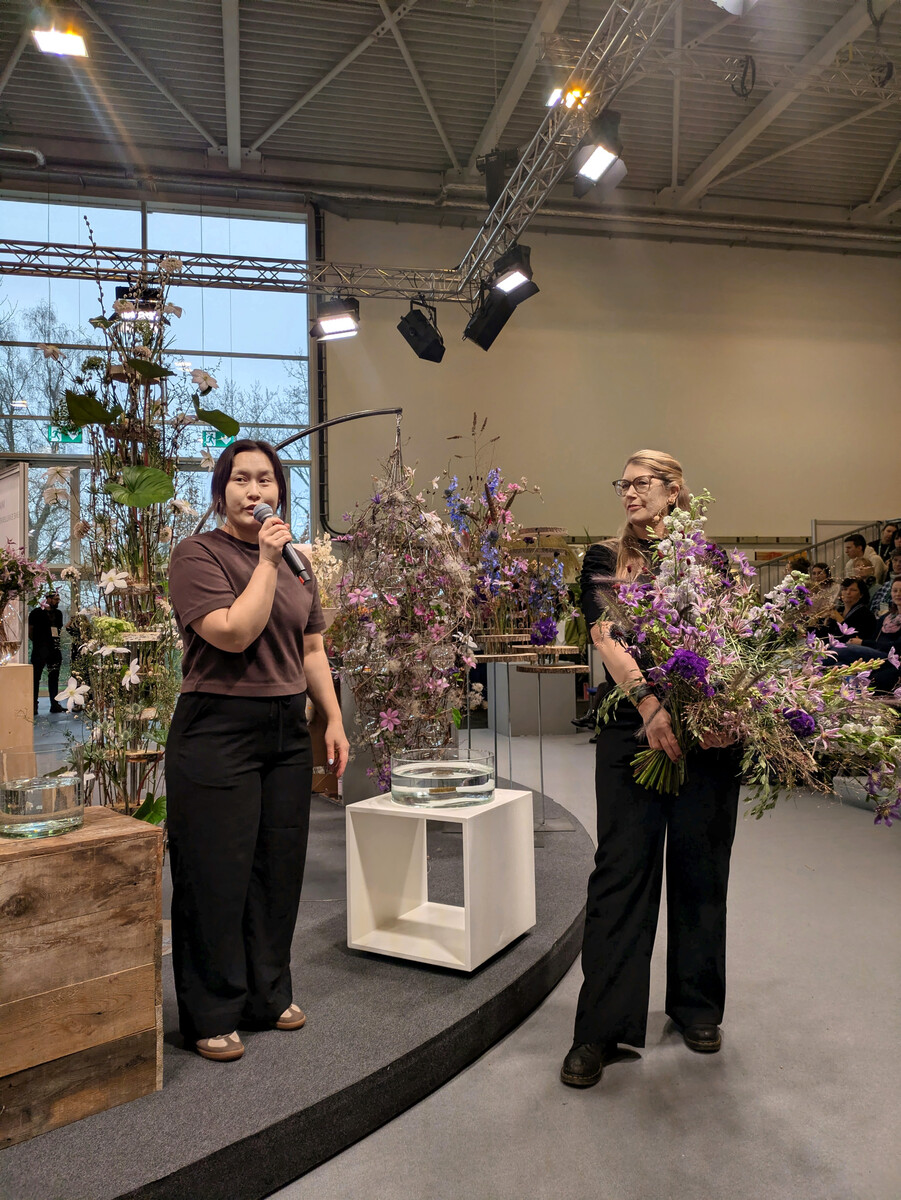
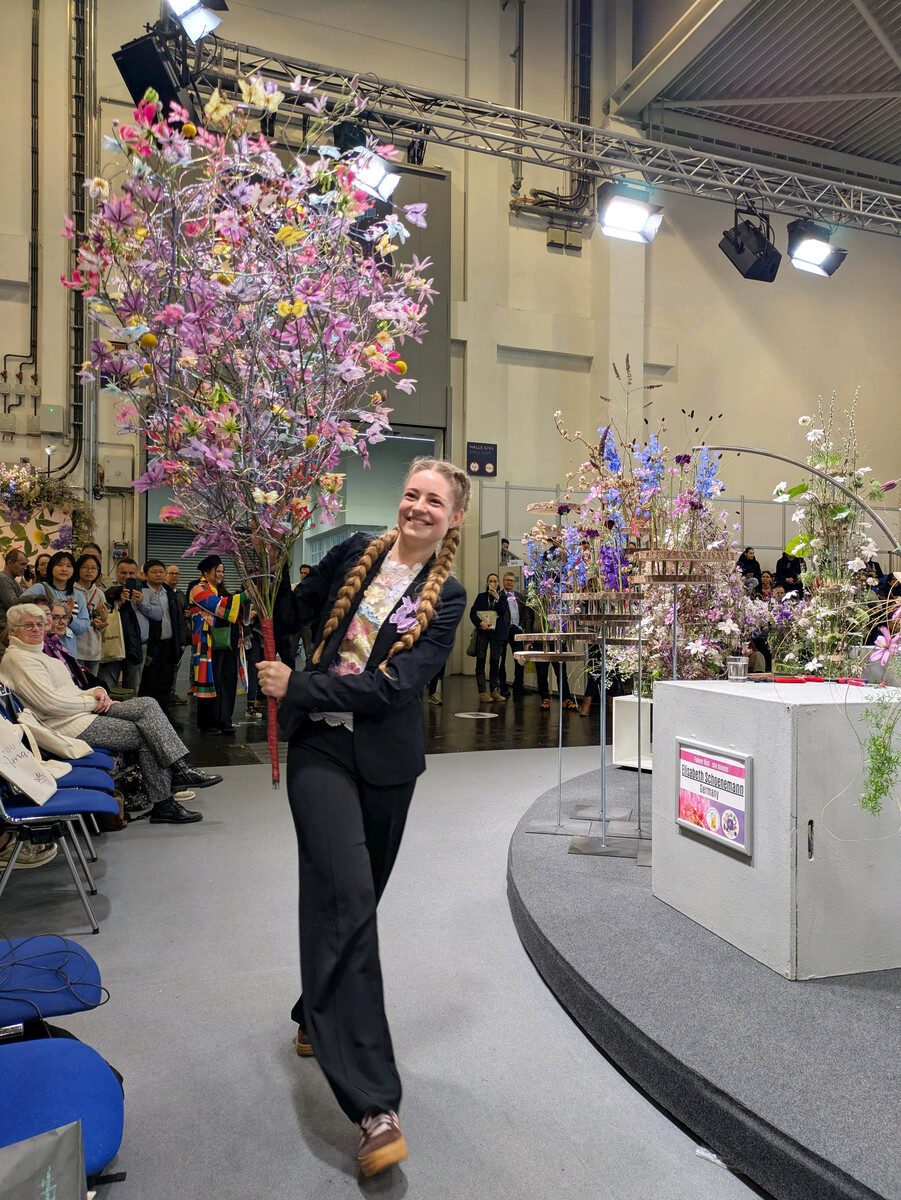
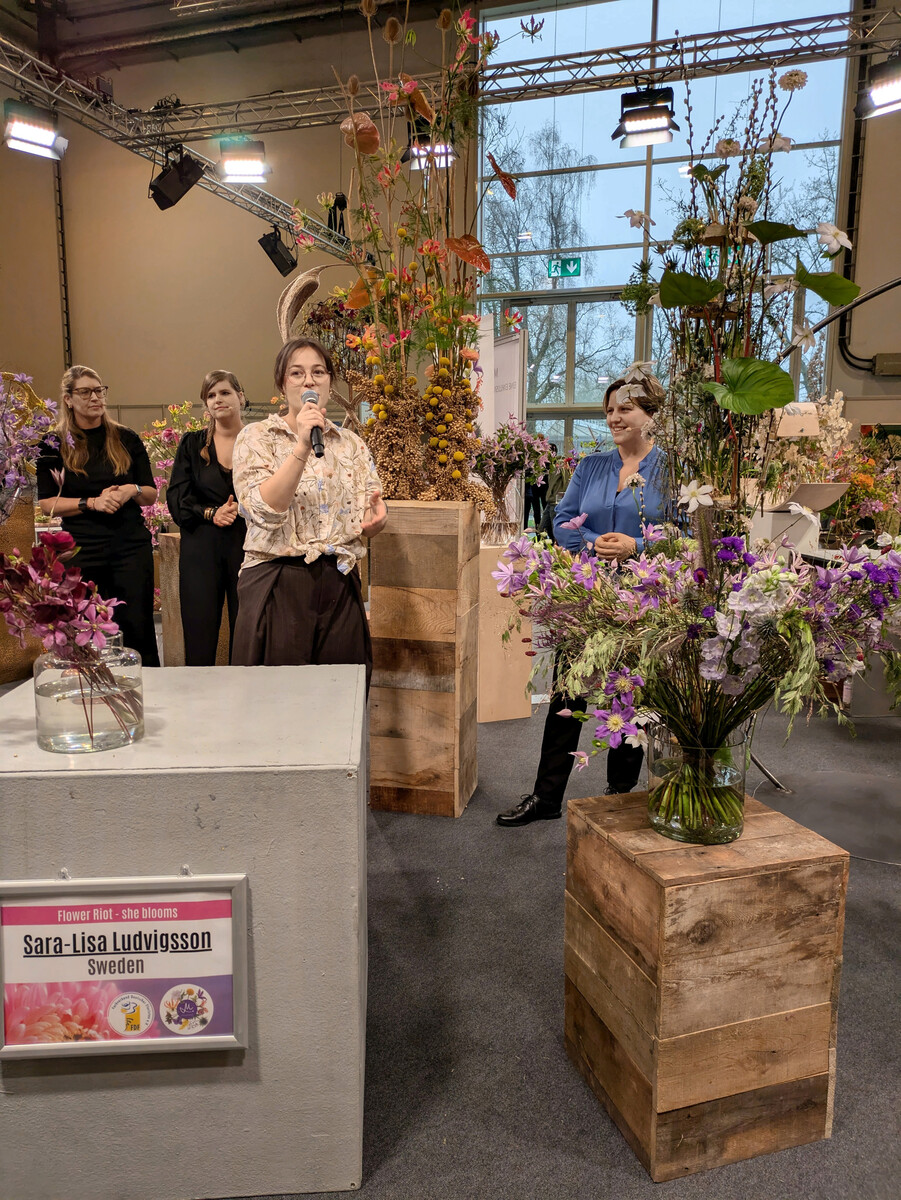
Elisabeth Schoenemann from Germany, Hanneke Frankema from the Netherlands and Sara-Lisa Ludvigsson from Sweden launched the new “She blooms” initiative on the IPM Flower Stage. Their shared goal: these three internationally successful florists want to create a space for female role models. How? Through inspiration and mutual support. Elisabeth Schoenemann explains the background.
von Grit Landwehr in conversation with Elisabeth Schoenemannerschienen am 08.04.2026
Elly, at IPM you three made your first public appearance with “She blooms.” What prompted this initiative?At the heart of the matter is visibility. Only when women are visible can they serve as role models for the next generation of women – and it is precisely these role models that are lacking in our industry. Although around 80 per cent of those working in floristry are women, it is mostly men who take centre stage at competitions, shows and on stage. And this is not a national phenomenon; it is a trend seen across all countries.Hanneke, Sara-Lisa and I had a proper chat about this at a competition and realised that whether it’s Germany, Sweden or the Netherlands – the situation is much the same everywhere. Hanneke is currently the European champion, but she’s the first woman to hold the title in 20 years. There has never been a world champion. The last German champion was Nadine Weckardt in 2006. When you look at these figures, you realise: there’s something structurally wrong here.
So you’re not trying to set yourselves apart from men?Not at all. It’s not about pushing men off the stage. It’s about balance. About a natural 50:50 split. On behalf of the FDF, I had a say in the line-up for the IPM Flower Stage this year and made a conscious effort to bring lots of women onto the stage. In previous years, there were usually three men and one woman on stage. I wanted to redress that imbalance.But isn’t that also because many women have less confidence in themselves?Yes, absolutely. And that’s exactly where we come in. It’s often not a lack of ability, but a lack of confidence. When young women see other women on stage, taking part in competitions, being visible, it makes a difference. We’ve seen that happen right here – take Kim, for example. She realised: I can do this. I’m allowed to do this. And in a few years’ time, she’ll be up there herself.Potential needs to be recognised and nurtured. We want to encourage young female florists to enter competitions, put themselves out there and take on responsibility. Not because they are women – but because they are talented.
We want to share the spotlight. It’s all about working together.Elisabeth Schoenemann
At the same time, there are, of course, social patterns that extend far beyond the world of floristry.Of course. It’s a social issue. A colleague told me that, as a man, he’s perceived quite differently in the flower shop than his female colleague. It’s absurd, but it’s the reality.It’s just like with Angela Merkel: a whole generation has grown up with a woman as Chancellor – for them, it’s normal. That’s exactly where we need to get to in the floristry industry too. Change is painful at first; it’s uncomfortable. But one day, it will become the norm.How did the three of you end up working together as a team?We’ve known each other for many years, have a strong network and work at a similar level. When I brought up the subject, everyone immediately said: ‘Yes, we’re familiar with that. Let’s do something about it.’1
The show here at IPM was just the start. What happens next?We want to continue our work in our respective countries, nurture young talent and build networks. Social media plays a major role in this – as a shared platform. We want to show that this works. In our industry. Through projects, on stage and by making our presence felt – for example, at future competitions or international events.Men are expressly welcome. This is about giving women a voice, not about exclusion. As Sara-Lisa said on stage: men don’t have to leave – they just need to move over a little so that we can stand side by side. And we need to adapt the competitive landscape to reflect gender equality. 2
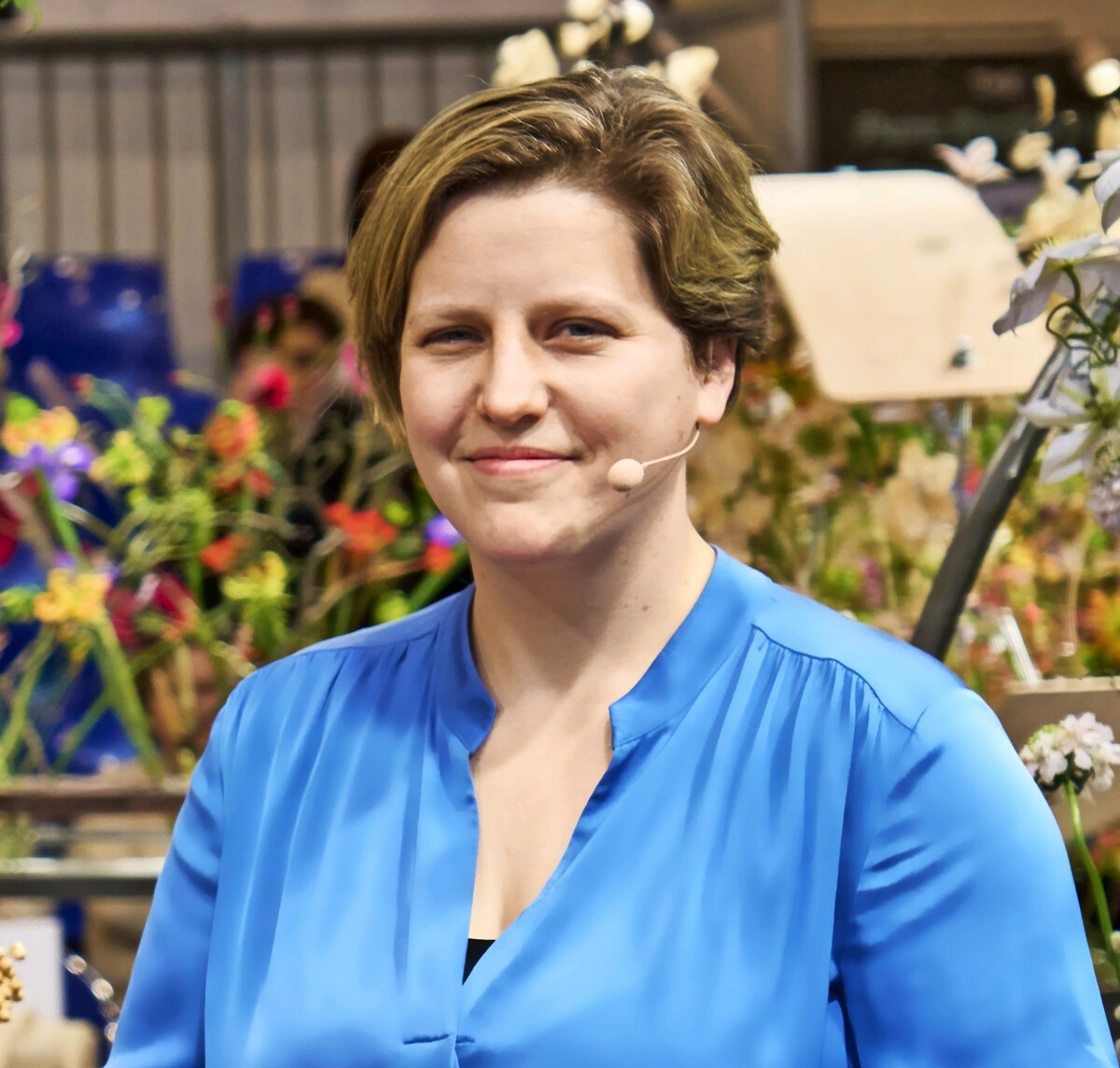
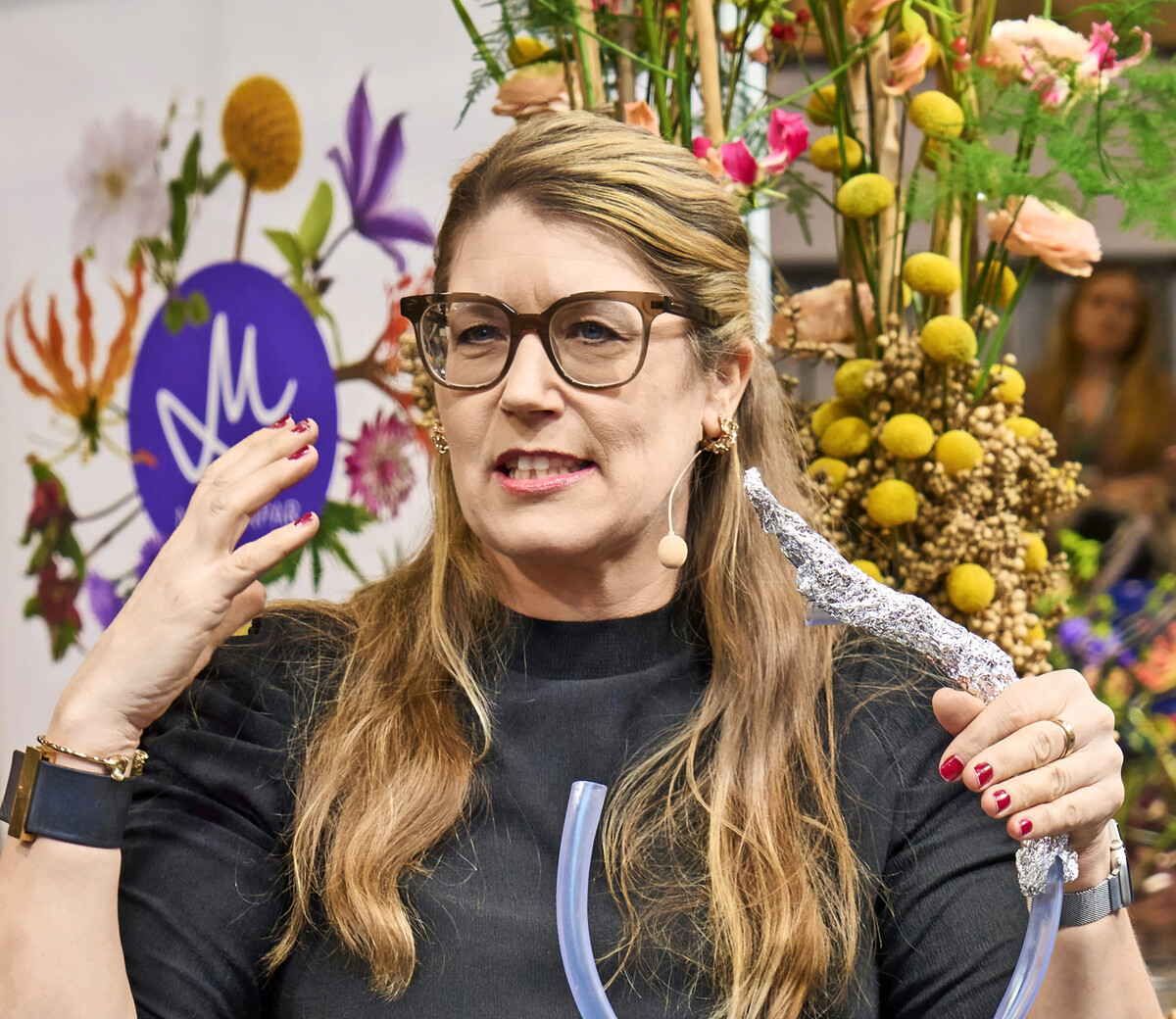
You don’t have to be a man; you just have to be strong to make a difference.Hanneke Frankema
What do you mean by that?Here, too, the conditions aren’t the same for men and women. Men simply have physical advantages – they’re stronger and have a wider hand span. In competitions, however, we’re given the same amount of time. I sometimes have to choose my flowers based on how thick a stem is, because every minute counts and I therefore want to make as few cuts as possible. Thanks to their much greater arm strength, men can create far more impressive and larger bouquets than a woman. That influences the design. A man often doesn’t even think about that – because he doesn’t have to.In your opinion, what exactly is needed to bring about the changes you’ve been talking about?Mentors. People who say: “You can do it. Go for it.” Many successful women say that someone gave them a nudge – in a positive sense. Experiences like the ones we’ve given these young colleagues here on stage are life-changing. The girls were beaming. They’ve got a taste for it. And that’s exactly what we need more of. Because it doesn’t happen by itself. We have to keep at it.3
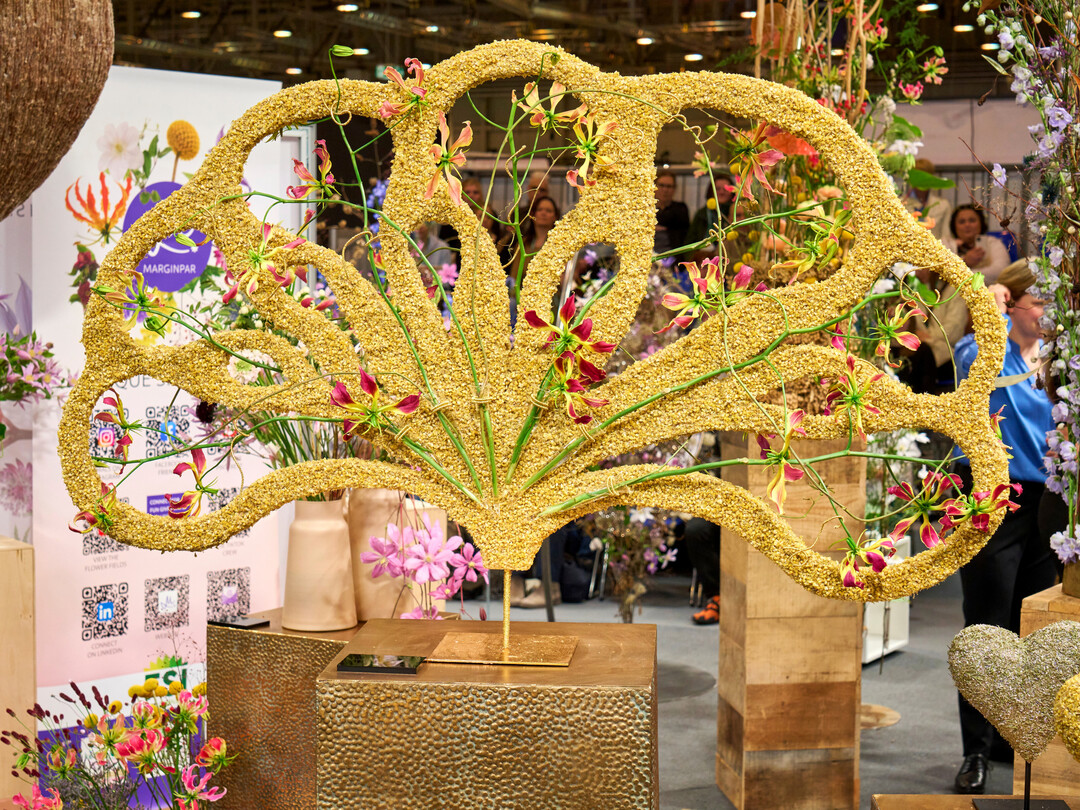
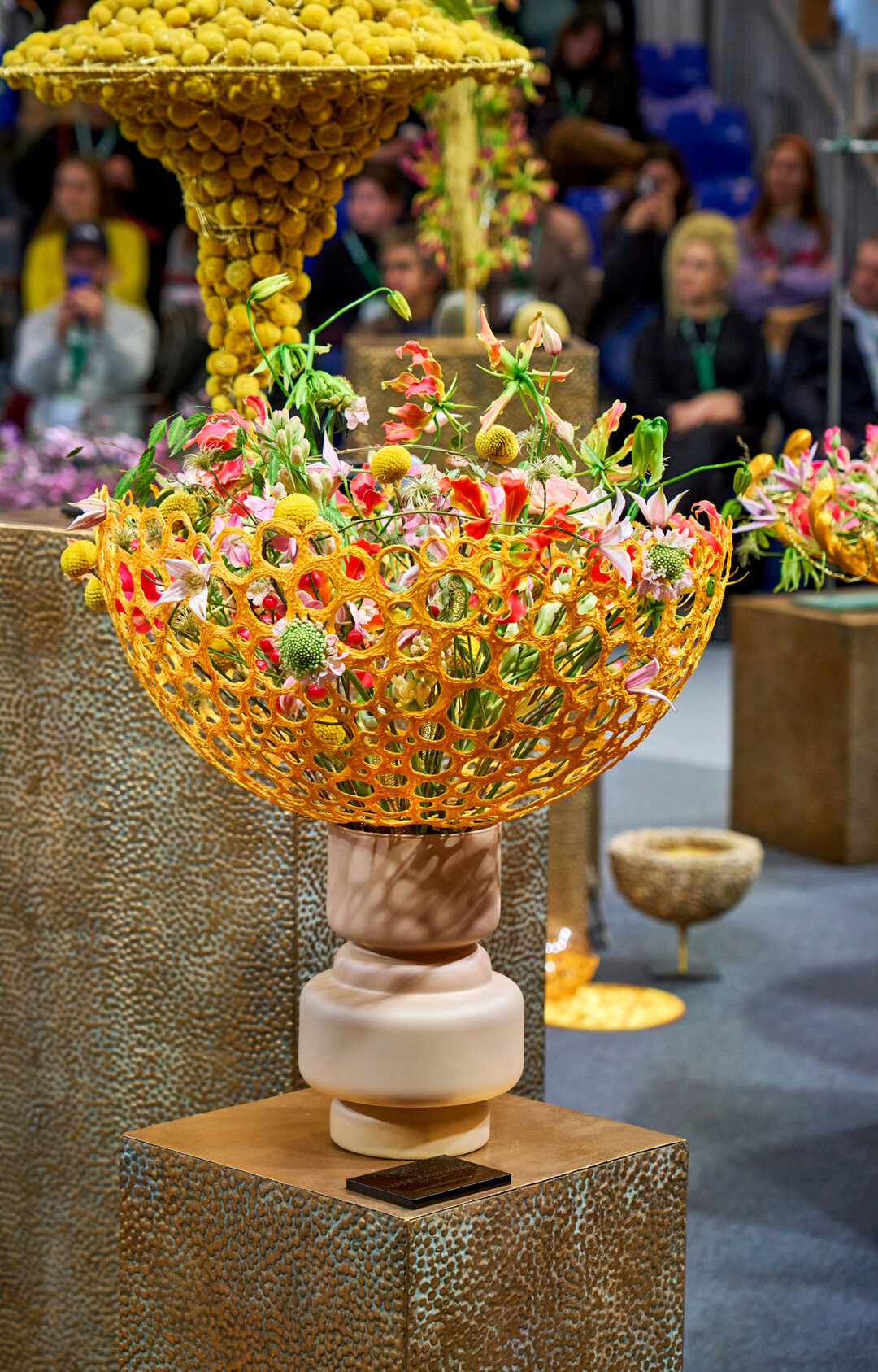
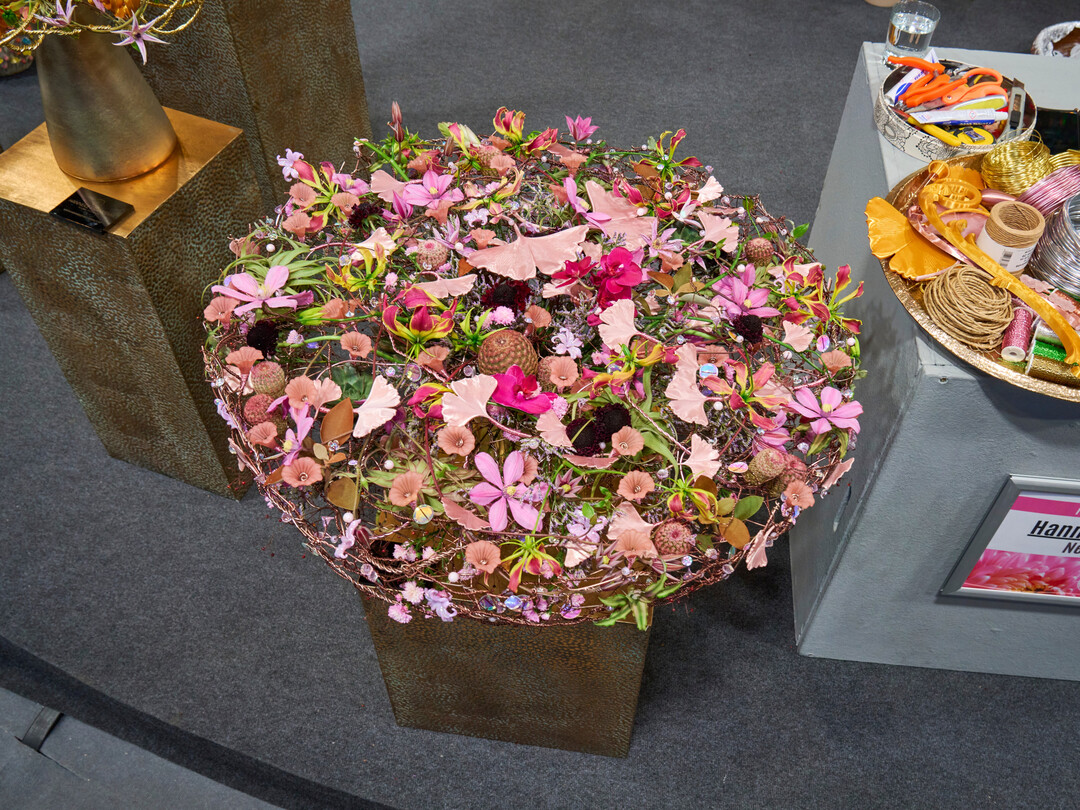
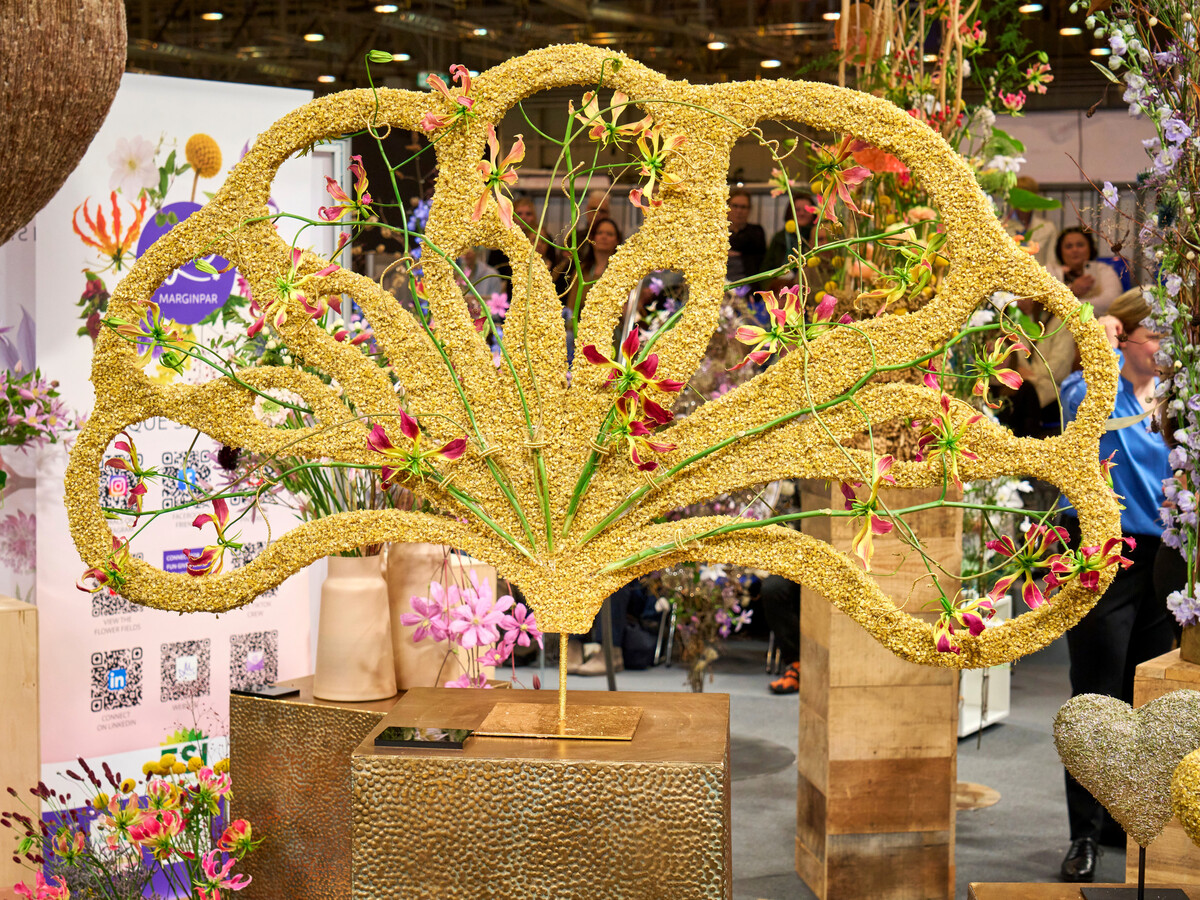
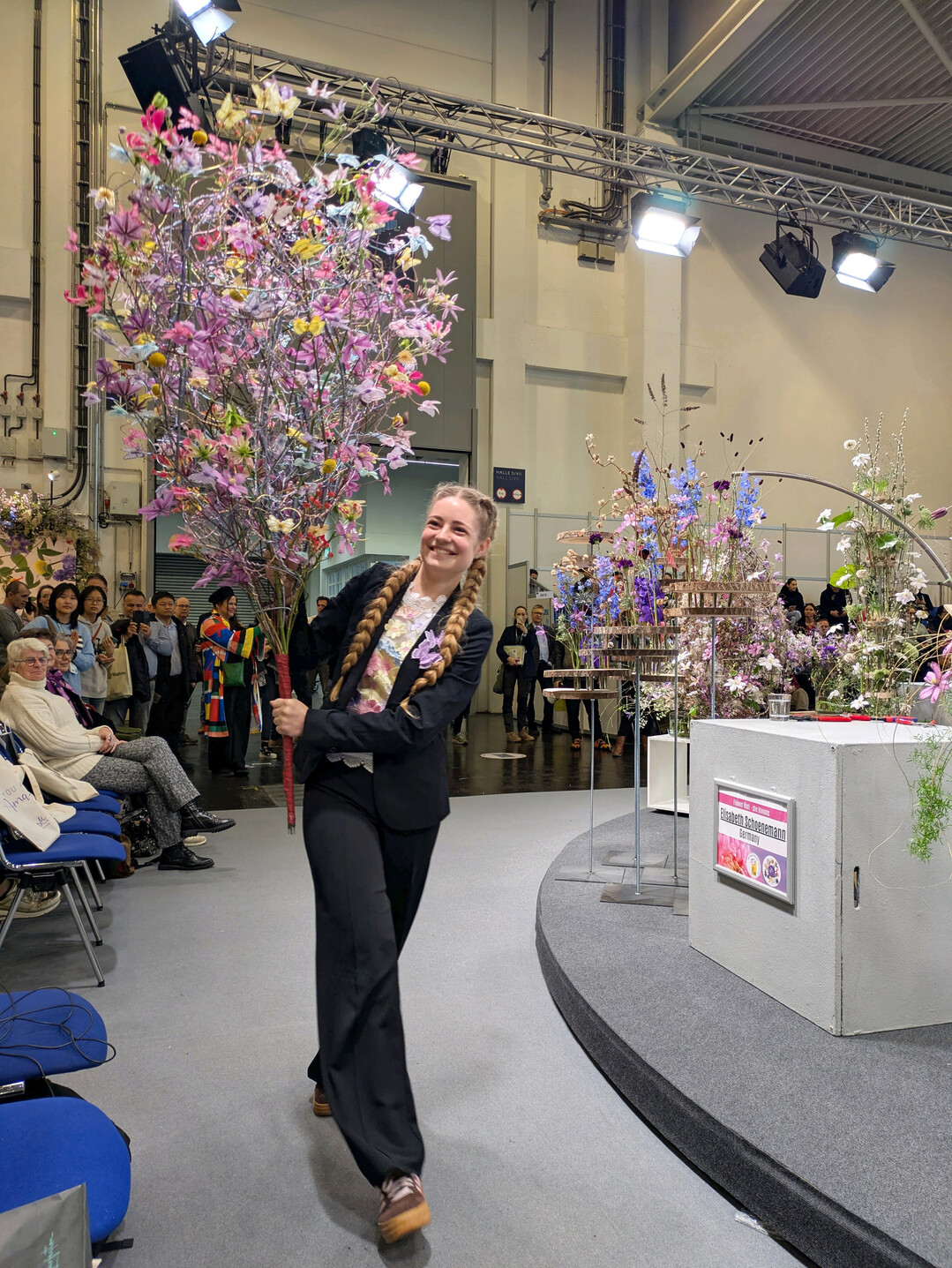
To showcase their assistants and their floristry skills, the three experienced florists symbolically took a step back during the show. You can find out more about the three of them on Instagram via the following accounts:


 © Jörg ManegoldWe want to share the spotlight. It’s all about working together. Elisabeth Schoenemann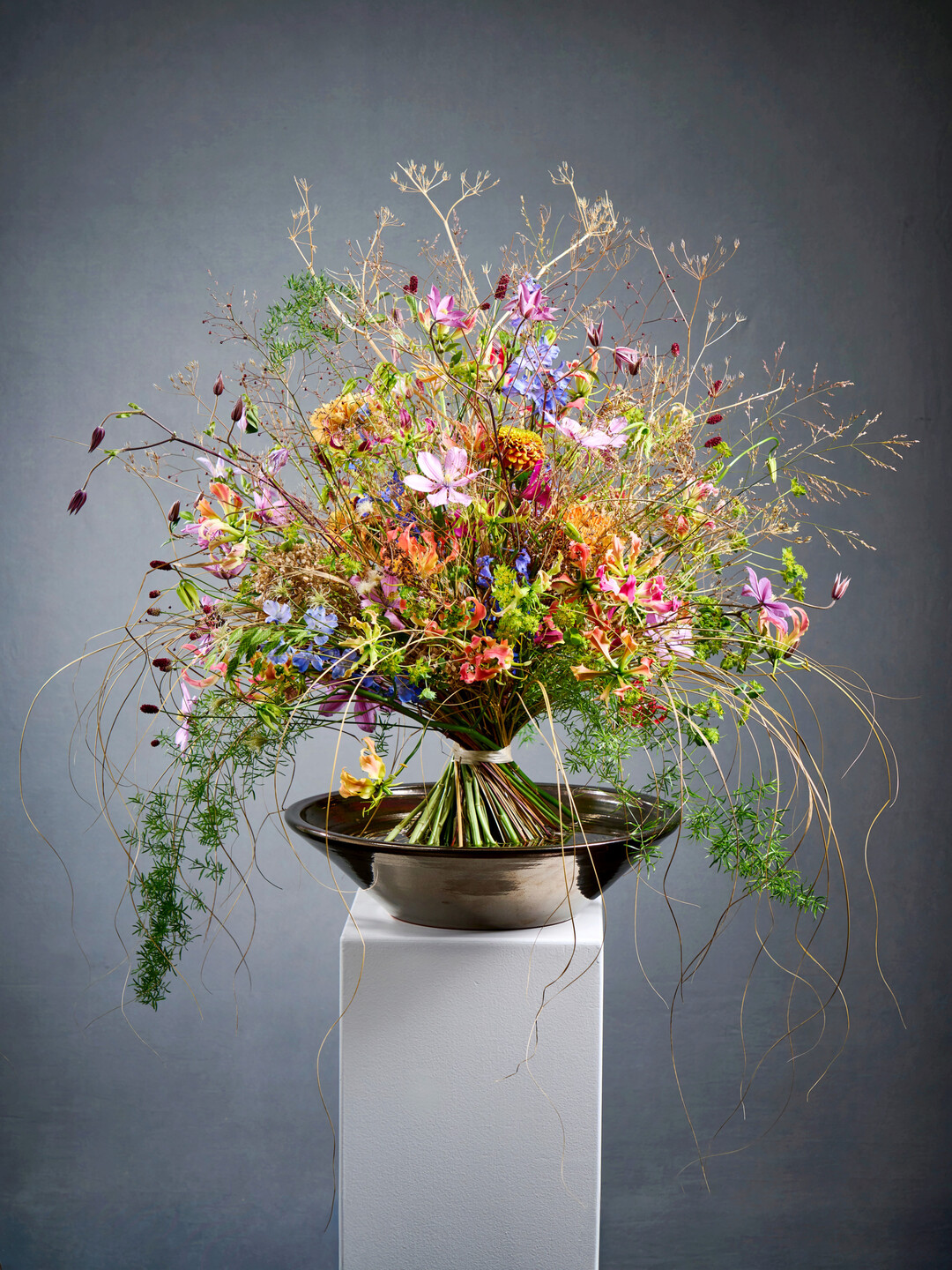
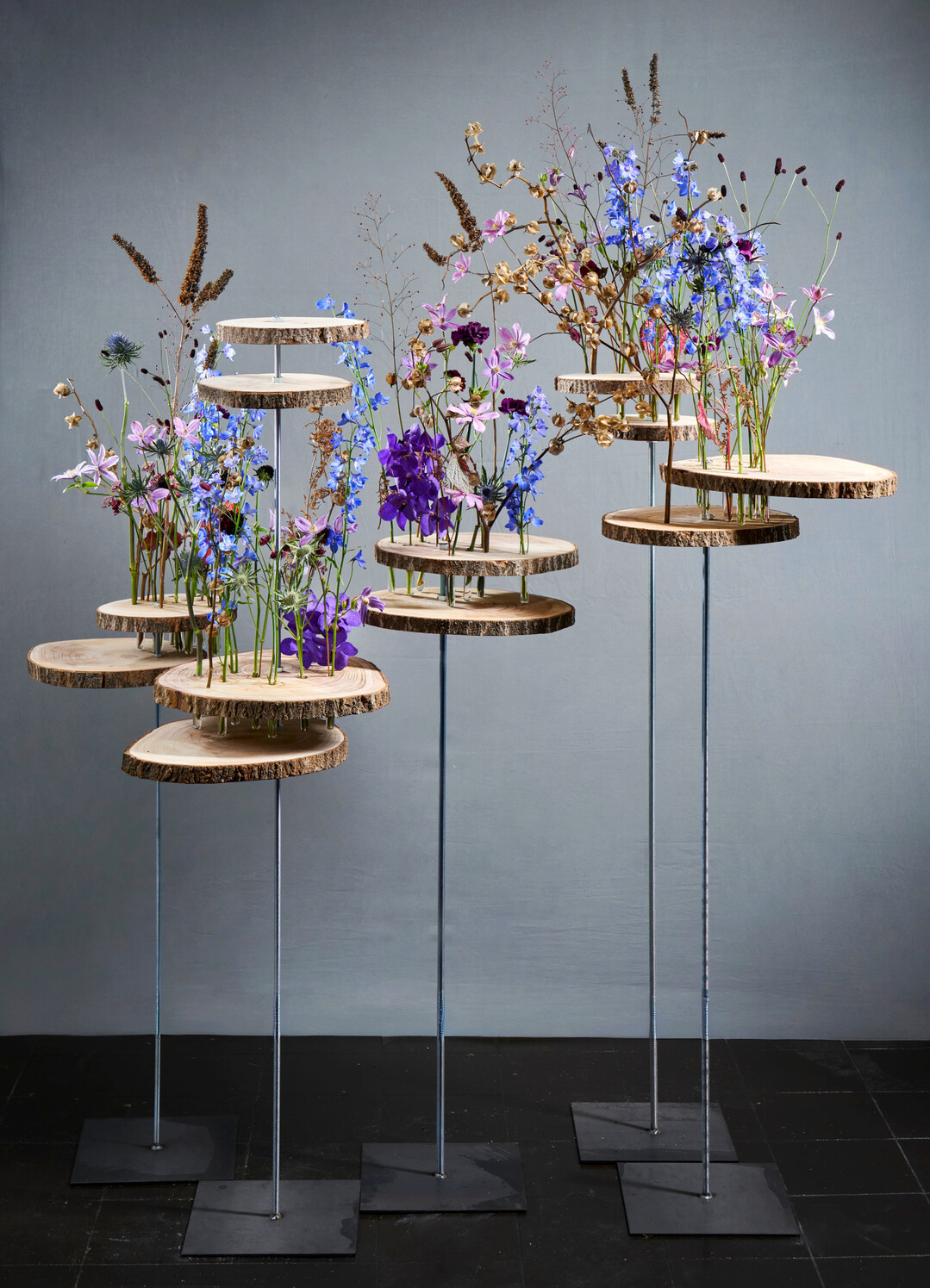
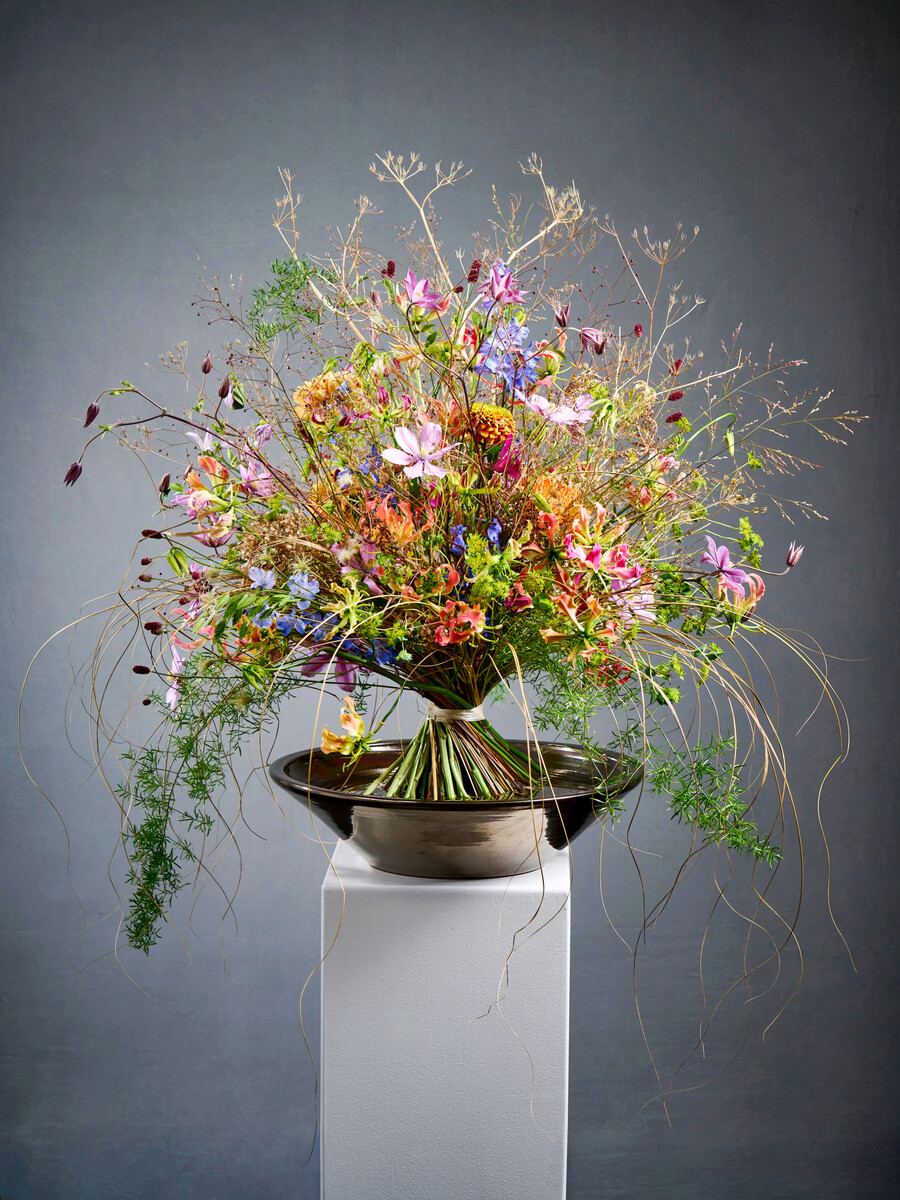
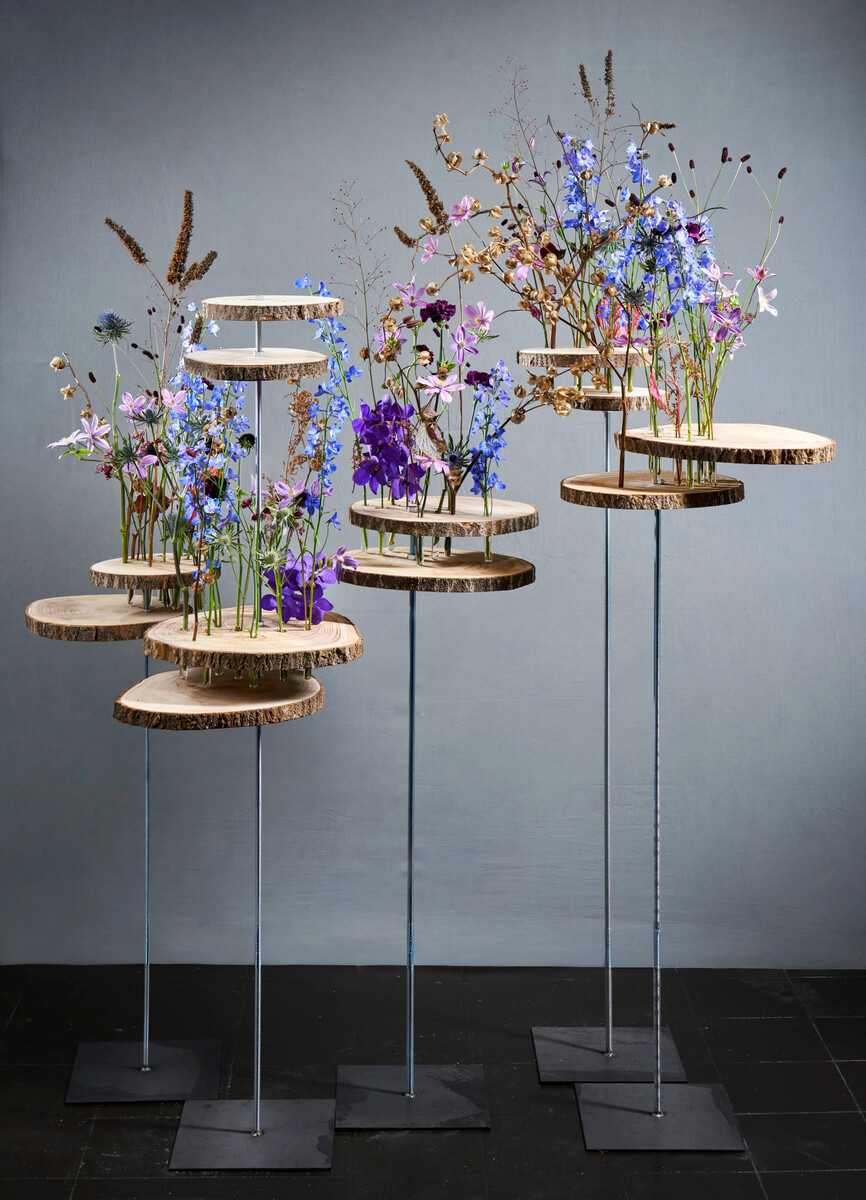
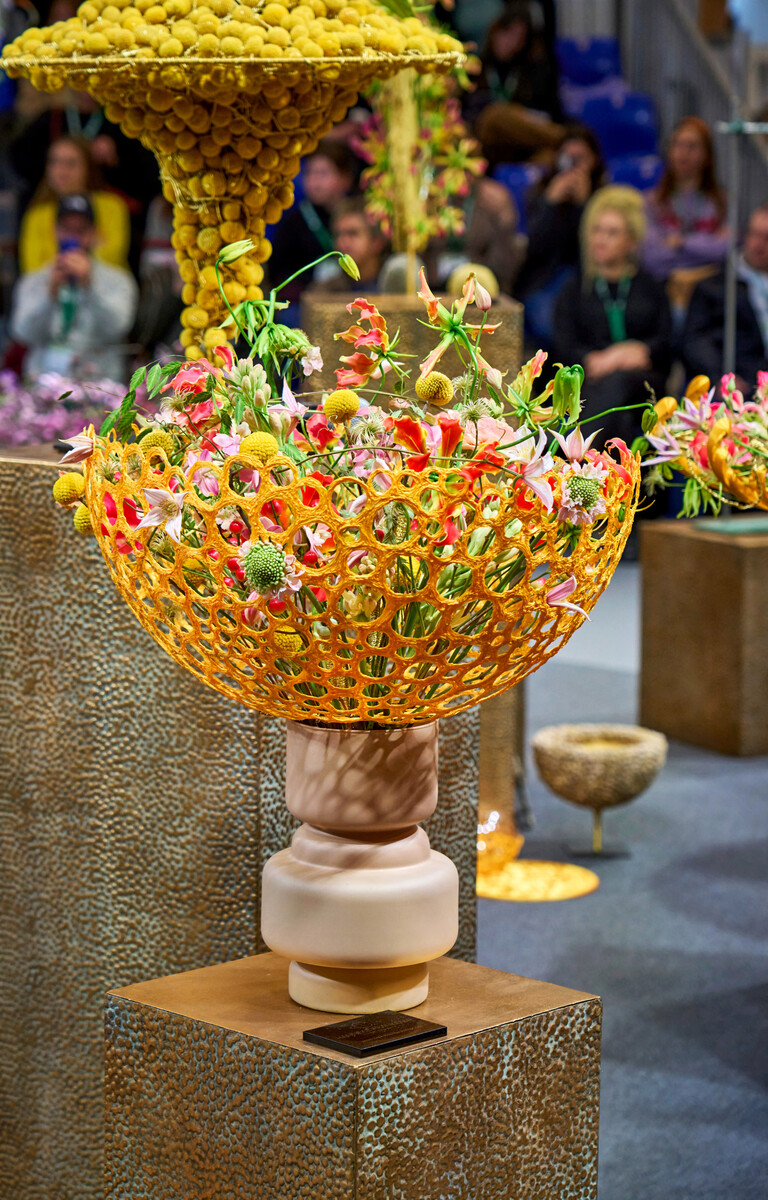
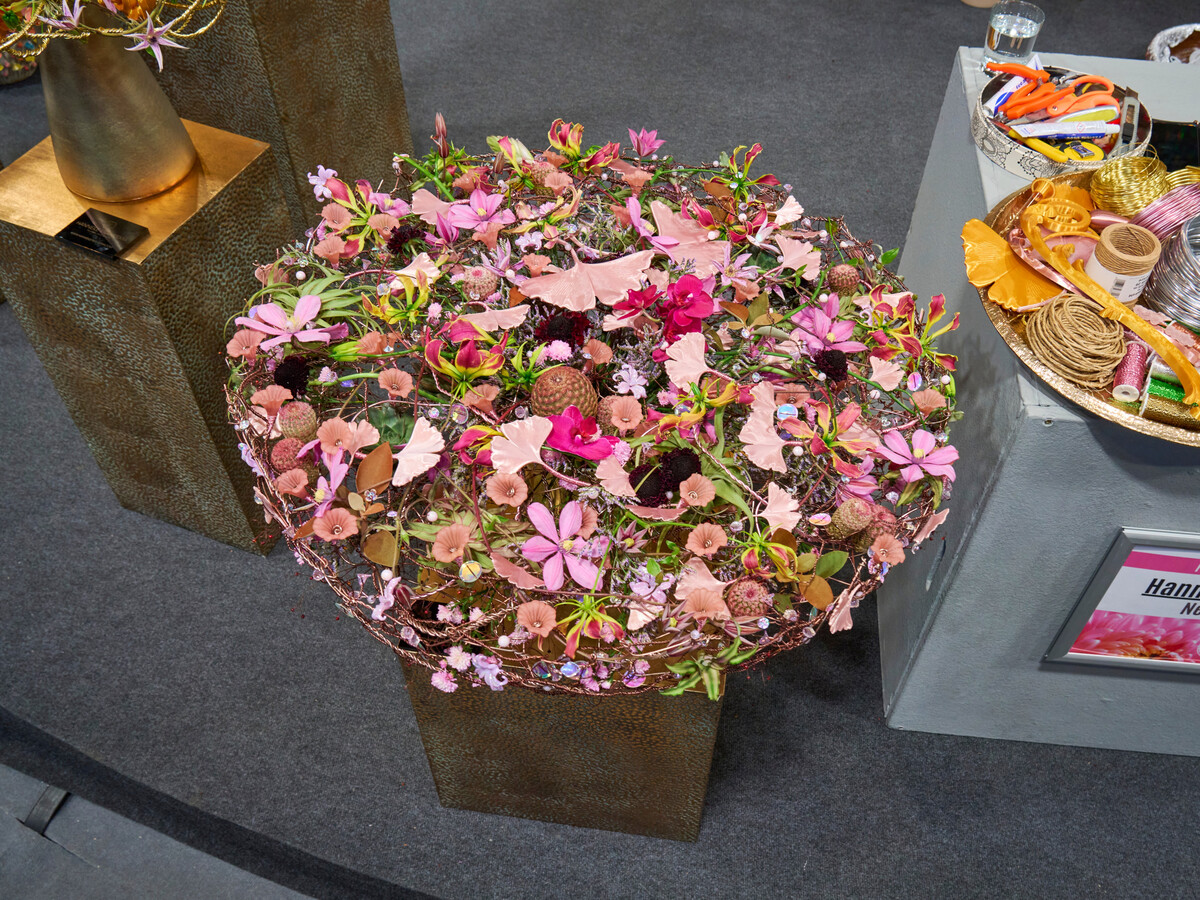
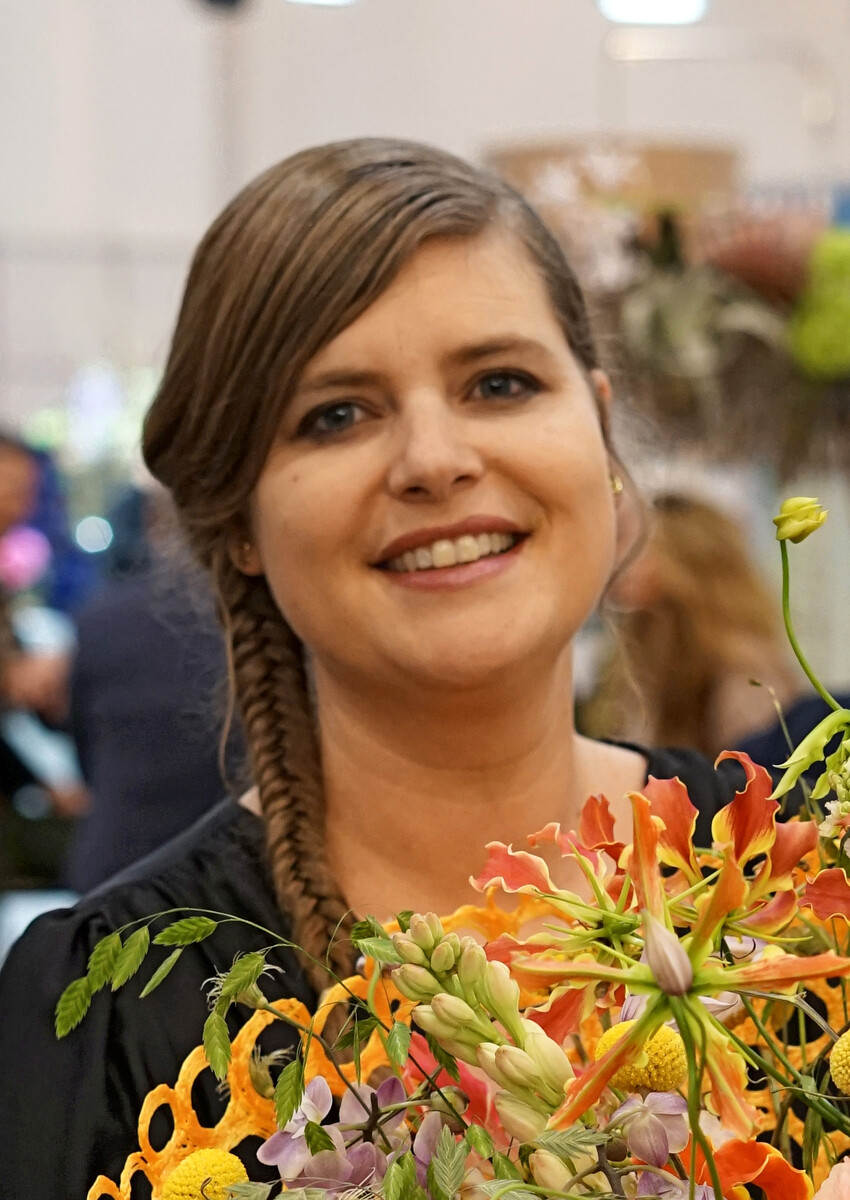 © marginparYou don’t have to be a man; you just have to be strong to make a difference. Hanneke Frankema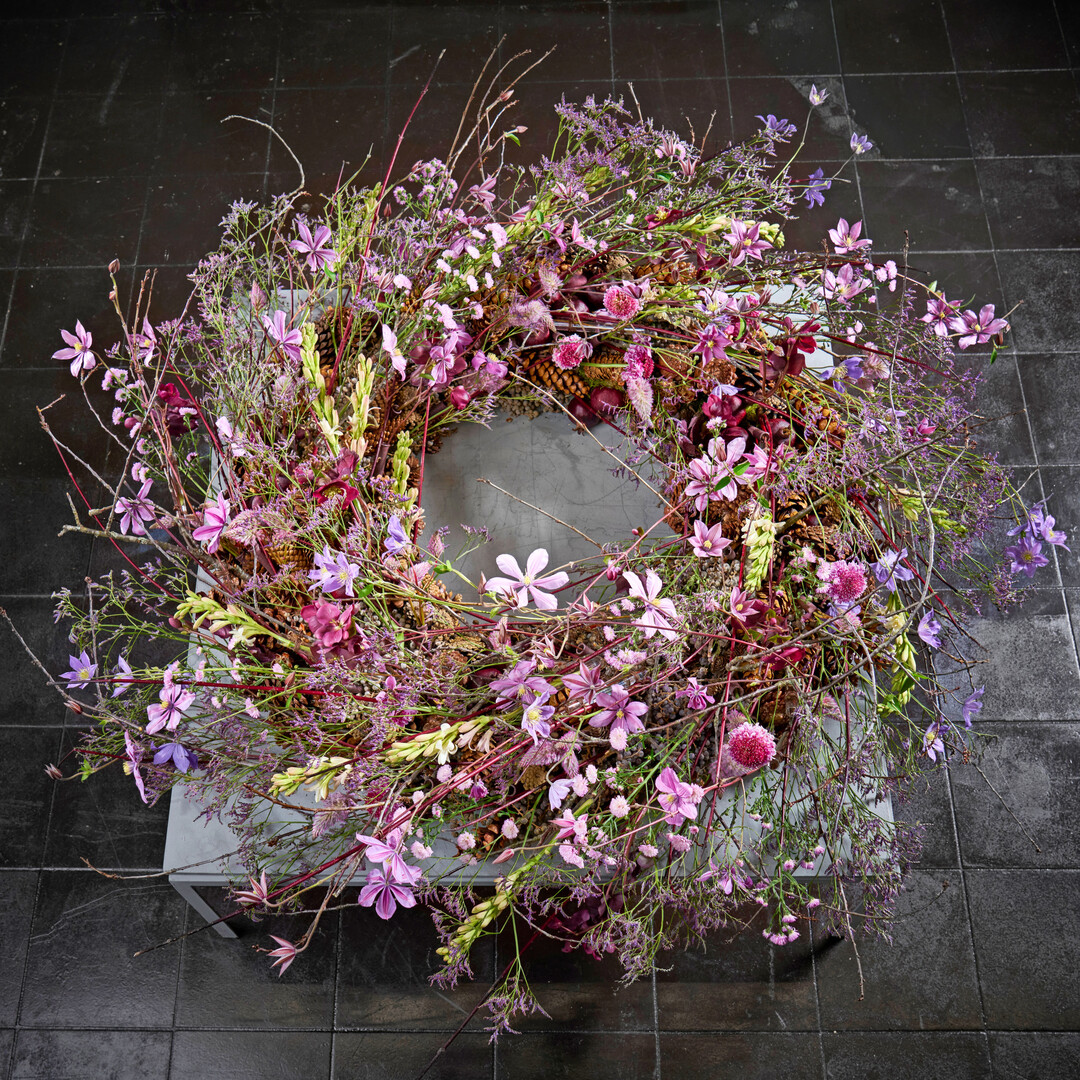
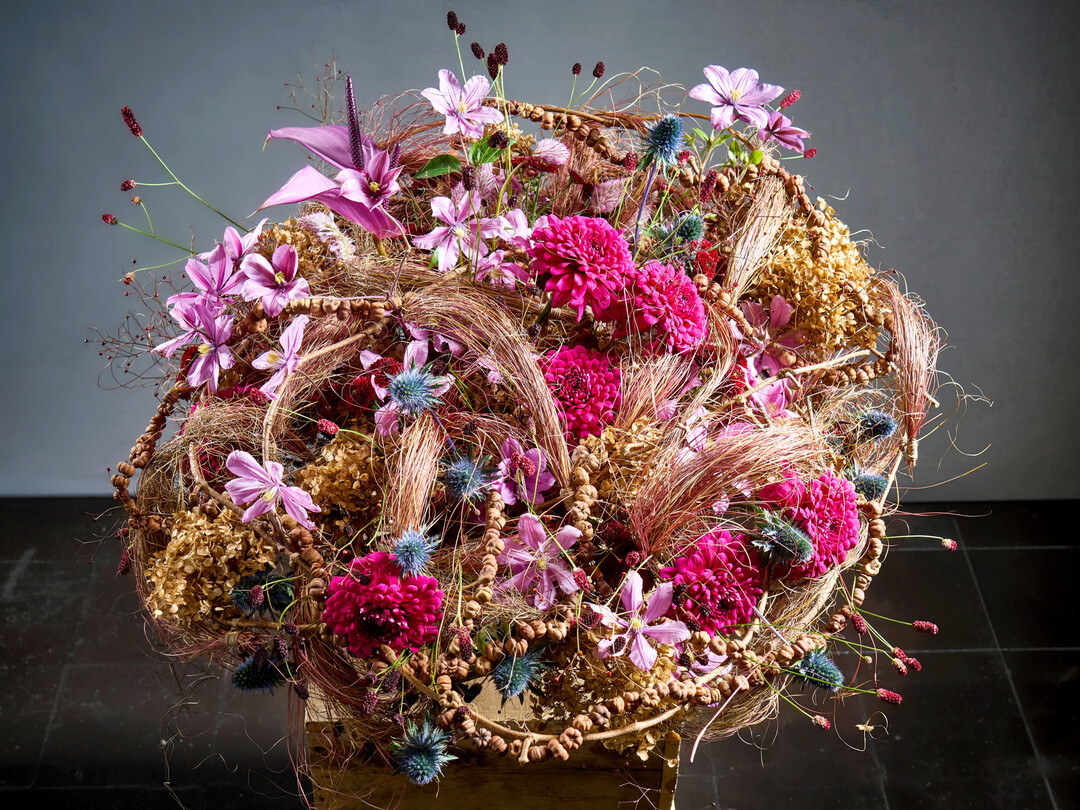
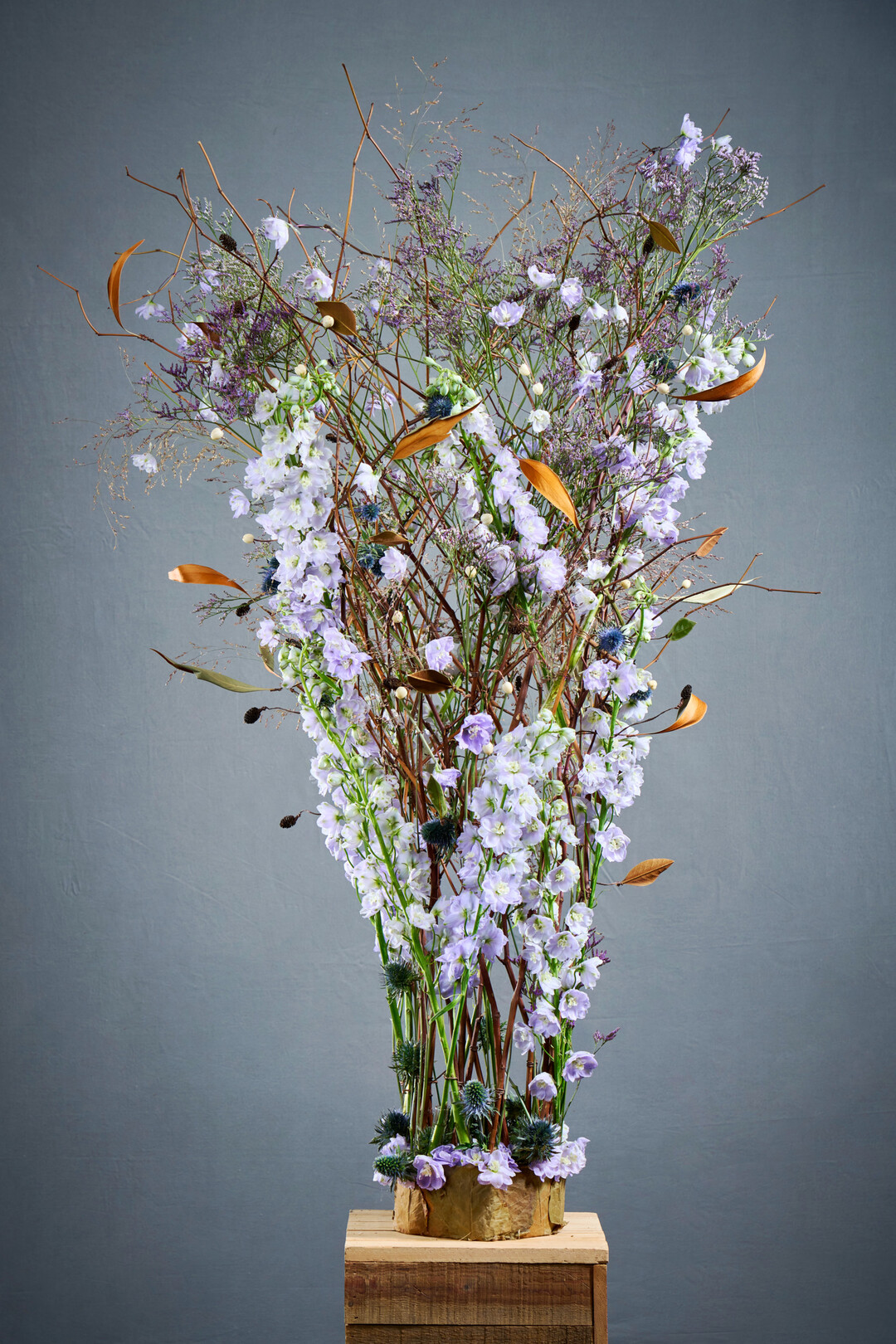
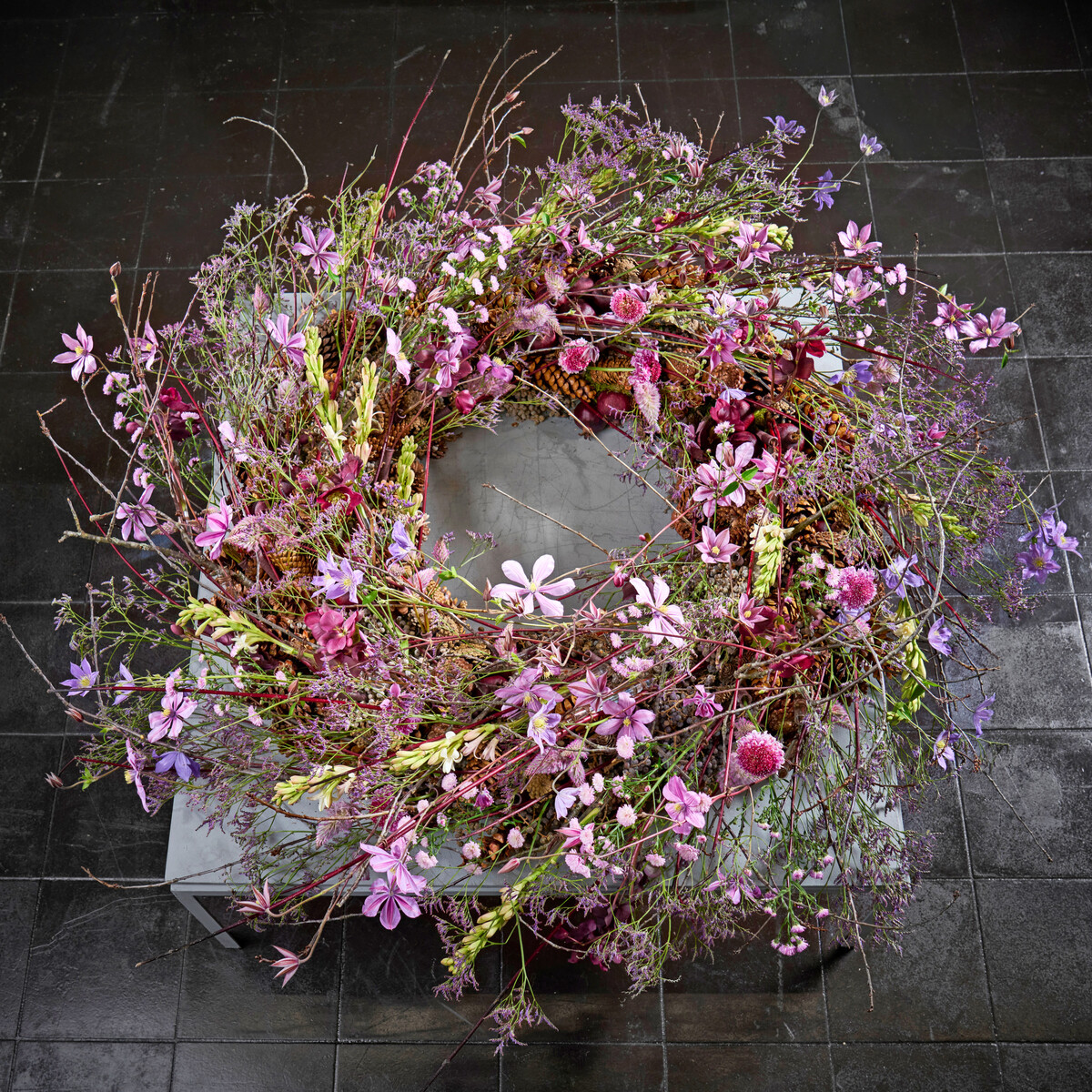
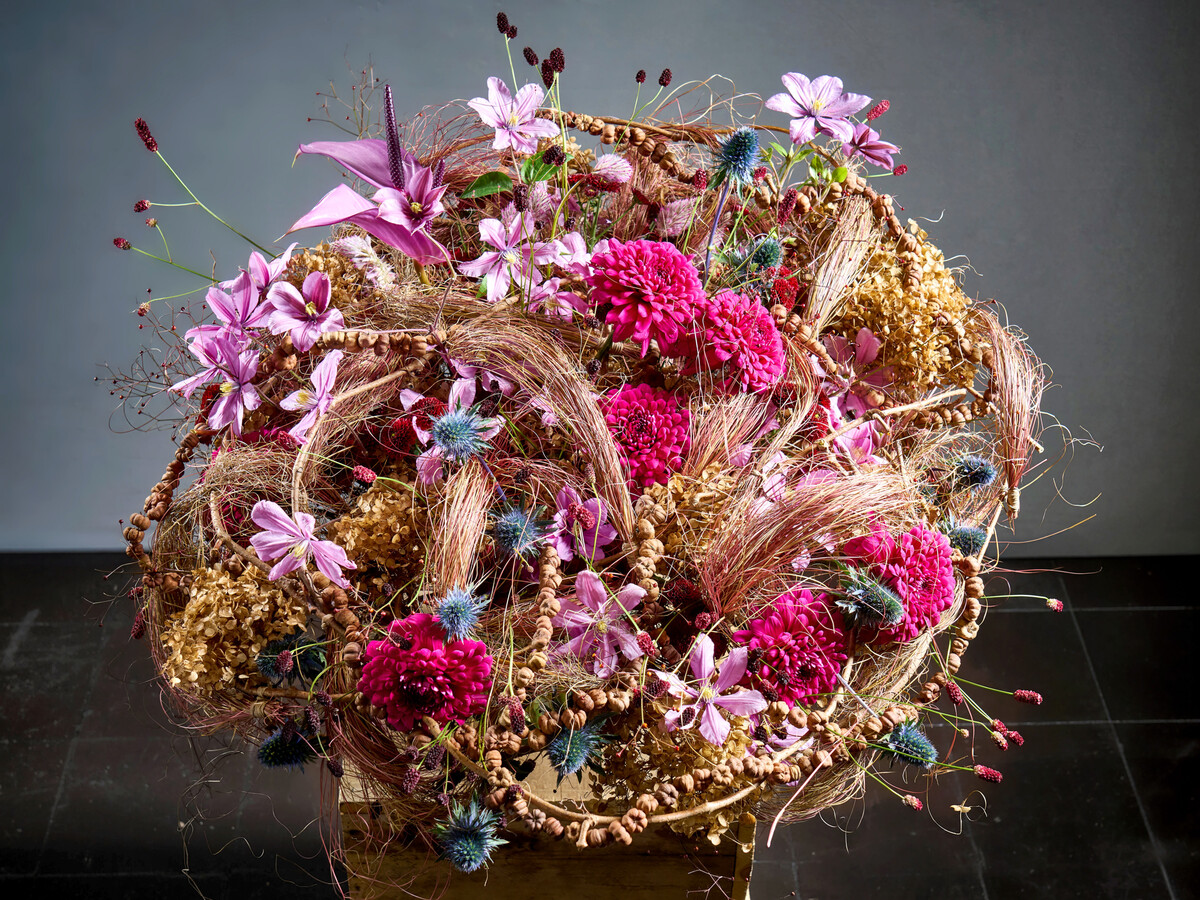
 © Jörg ManegoldThe men don’t have to leave – they just need to move over a bit so that we can stand side by side. Sara-Lisa Ludvigsson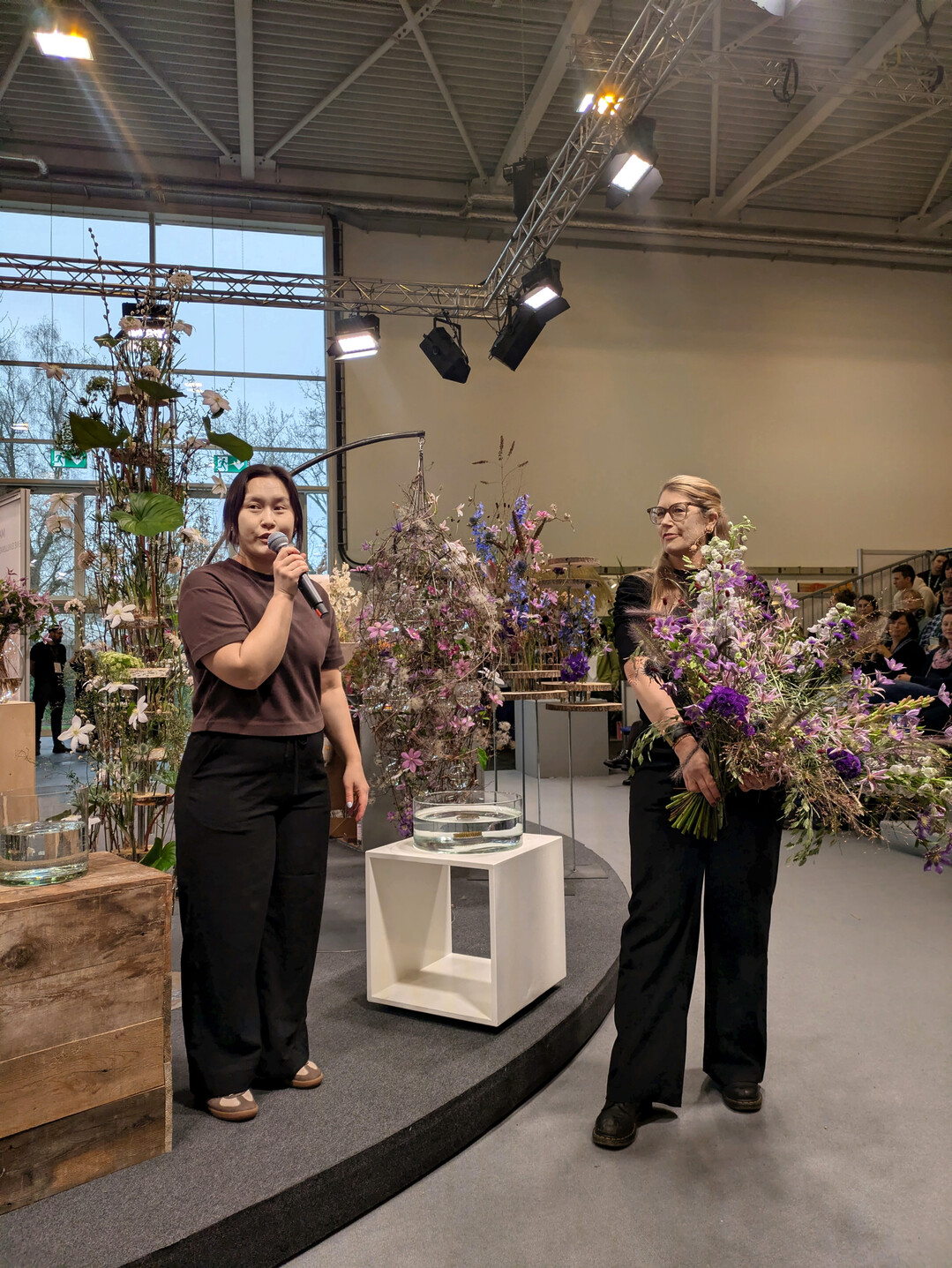
Zu diesem Artikel liegen noch keine Kommentare vor.
Artikel kommentierenSchreiben Sie den ersten Kommentar.